

What should a UGC creator brief include so the first take can run as an ad?
A UGC creator brief that produces a usable first take settles five things before anyone films, as of 26 October 2026: a 9:16 vertical format at 720p or better, more than one hook with the proposition in the first 3 seconds, the exact claims your brand can substantiate, the disclosure the creator must make, and the usage rights and term. Each line maps to published guidance from TikTok, Meta, the FTC or a UGC seller.
At a glance:
- Format: 9:16 vertical, at least 720p, content inside the UI safe zone, per TikTok's creative best practices for performance ads.
- Hooks: TikTok advises stating the proposition in the first 3 seconds, and Insense advises at least two alternative hooks.
- Claims: under 16 CFR 255.1, an advertiser can be liable for unsubstantiated statements made through an endorsement, even when the creator is not.
- Use and disclosure: the creator must have actually used the product, and the FTC's Disclosures 101 counts free product as a material connection to disclose.
- Rights: state the term and channels; Dream Aspect's UGC starts at $350 per video with a 5-video minimum ($1,750), with usage typically for six months.
What is a UGC creator brief?
A UGC creator brief is a short production document that tells a creator what to film, to which spec and under which rules, while leaving the delivery to their own voice. Billo, a UGC marketplace, says in its UGC brief template guide to treat the brief as a production spec, not a wish list, of about one to two pages that leaves the how to the creator. Billo names five elements to always include: placement context, one core message, storyboard beats, tech specs and usage rights.
Billo warns that a dictated brief makes the video sound like an ad script. Collabstr, a creator marketplace, suggests in its guide to briefing a UGC creator three to five talking points instead of a full script, with must-say words such as the product name or a required disclosure called out separately. On TikTok the brief can also do the casting: TikTok's TikTok One page describes Creator AI Search, where brands paste a campaign brief to get a curated shortlist of creators.
What goes in the UGC creator brief template?
Dream Aspect's UGC creator brief template has two parts: the creative the creator films from, and the rules that decide whether the take can run as a paid ad. Each line answers a failure point that TikTok, Meta, the FTC or a UGC seller names. Fill in every field, because a blank one is a decision left to the creator.

Part one: the creative
- Placement: where the video runs (TikTok in-feed, Instagram Reels, or from the creator's handle) and what the viewer should do next.
- One core message: the one thing a viewer should remember, in one sentence.
- Audience: who is watching and their problem, in a customer's words.
- Talking points: three to five points, plus the words that must be said exactly: the product name, how to pronounce it, and the offer.
- Hooks: how many alternative openings to film, each stating the proposition in the first 3 seconds and differing in pain point, angle or location.
- Beats: a loose storyboard of hook, problem, product in use, proof and call to action.
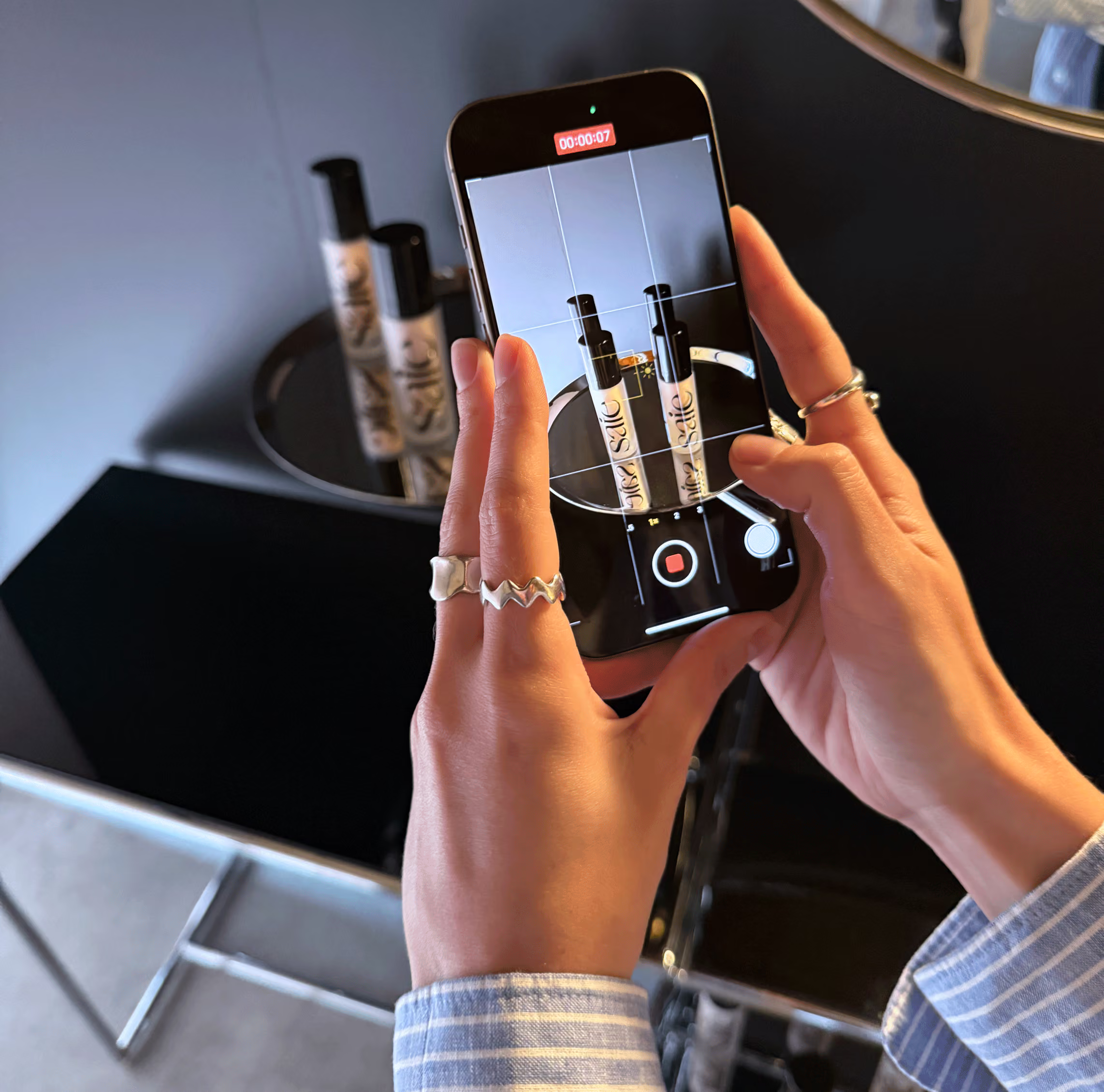
- Specs: 9:16 vertical, at least 720p, the target length, TikTok's current safe-zone file, and one clean version without burned-in text or music.
Part two: the rules
- Approved claims: each claim word for word, with its evidence on file.
- Off limits: competitor mentions, unsubstantiated claims, and any benefit not on the approved list.
- Product and use: the ship date, how long the creator uses the product before filming, and what they should show.
- Disclosure: the wording, and where it goes if the creator posts the video on their own account.
- Usage rights: the term, channels and markets, whether you need a Spark Ad or partnership ad code, and any AI use of the creator's face or voice.
- Delivery: the due date, file names, versions, revision rounds, and raw footage or a base edit if the seller supplies them.
Which video specs make a UGC take unusable as an ad?
TikTok's creative best practices for performance ads recommend a 9:16 vertical orientation, a resolution of at least 720p, and content kept inside the UI safe zone, as of 26 October 2026. TikTok's In-Feed ads specifications say the safe zone depends on the video's dimension, the ad caption length and any additional formats, and supply it as downloadable template files rather than numbers on the page, so attach the current file to the brief. Dream Aspect's reading: a horizontal take, or one with the product name under the caption, has to be cropped or reshot.
Dream Aspect's suggestion, not a platform rule, is a clean version with no burned-in captions, stickers or music, so your editor can place text where each platform's interface leaves room. TikTok's best-practices page also points advertisers to the Creative Center's Commercial Music Library, so music can be settled before the shoot. For Instagram Reels, Dream Aspect did not find Meta's own safe-zone page, and third-party guides disagree on the margins, so check Meta's Ads Guide before you brief.
How many hooks should a UGC brief ask the creator to film?
TikTok's creative best-practices page advises introducing your content proposition in the first 3 seconds, and a localized version of the same page says to prioritize the hook in the first 6 seconds. Insense, a UGC marketplace, says in its guide to a winning UGC brief to study competitor ads in the Meta Ad Library first, then ask for at least two alternative hooks that differ in pain point, angle and location, plus raw footage, a base edit and a swappable call to action.

Billo's brief content guidelines say each video carries one hook unless the buyer adds its multiple-intros option, and that creators deliver one final file, without raw clips or separate B-roll. Dream Aspect's reading: hook variants and raw files are order lines, so write the number into the brief and check the seller supplies them. For how much creative a steady programme needs, see how many videos a month a DTC brand actually needs; if a launch has already gone quiet, see why a product launch gets zero engagement.
Which product claims can a UGC creator make?
The FTC's Disclosures 101 for Social Media Influencers, published in November 2019, tells influencers not to talk about products they have not tried or make claims the brand cannot substantiate. The Endorsement Guides put the risk on the brand too: under 16 CFR 255.1(d), advertisers are liable for misleading or unsubstantiated statements made through endorsements, even when the endorser is not. Paragraph (a) says "Endorsements must reflect the honest opinions, findings, beliefs, or experience of the endorser."
Billo's template puts unsubstantiated claims and competitor mentions on the do-not list. Dream Aspect's reading: an improvised benefit can make a good take unusable, because a spoken claim rarely cuts cleanly out of a sentence. Write the approved claims word for word, keep the evidence for each, and rule out the rest. Editing has a limit too: under 16 CFR 255.1(b) an ad need not use the endorser's exact words, but the endorsement may not be reworded or taken out of context so as to distort their opinion or experience.
Must a UGC creator use the product and disclose the deal?
The Endorsement Guides set the order of work. Where an ad says the endorser uses the product, 16 CFR 255.1(c) says "the endorser must have been a bona fide user of it at the time the endorsement was given", and the ad can keep running only while the advertiser has good reason to believe that is still true. JoinBrands, quoted in Dream Aspect's UGC rates article, says "Most brands start receiving content within 3-7 days of launching a campaign, depending on how fast you deliver the product to creator and your brief complexity." Dream Aspect's reading: brief a ship date and a period of use before filming.
The FTC's Disclosures 101 guide counts free or discounted products, not only payment, as a material connection, and puts the responsibility to disclose on the influencer. It says disclosures belong where they are hard to miss. The brand has a stake as well, because 16 CFR 255.1(d) also makes advertisers liable for undisclosed material connections, even when the endorser is not. If the creator will post your video on their own account, write the disclosure wording and placement into the brief so nobody has to guess.
What usage rights should a UGC brief state?
Usage rights decide whether a take can run as a paid ad. MakeInfluence's UGC brief template gives usage rights a section covering channels, duration, markets and whitelisting. Terms vary by seller: as of 6 October 2026, Dream Aspect's UGC rates article found unlimited usage at JoinBrands and perpetual digital rights at Insense, while Dream Aspect's own UGC page says usage rights "are typically granted for 6 months, with options to extend".
A UGC brief should also name the account the ad runs from. Meta's Instagram Help Center says "advertisers need permission from the partner whose handle the ad will run from", and that "Creators and partners can revoke these permissions at any time." Dream Aspect's reading: the platform permission and the contract term are separate, so put the term in the contract and ask for the ad code in the brief. If you may want an AI version of the creator's face or voice, California Labor Code §927 can make a vague digital-replica clause unenforceable for new performances, so describe the uses or leave them out, and ask counsel.
Dream Aspect, a Los Angeles video production company, writes the scripts in its UGC service, and its UGC page says it vets creators "for authenticity and brand fit", negotiates licensing ("We negotiate licensing rights and terms for you") and edits until the final version is ready. UGC starts from $350 per video with a 5-video minimum, so $1,750 for a first batch, with usage typically for six months, as of 26 October 2026. Other sellers' terms are in UGC creator rates in Los Angeles in 2026.
Ready to price the UGC batch your brief is for? The Dream Aspect pricing calculator shows the price on the page: choose a one-off shoot or a monthly plan, then add or remove deliverables such as a shoot brief, priority delivery, CGI or UGC.
Build your quote on the pricing page →
Prefer to talk it through? Talk to us → or book a 15-minute call from the pricing page.
Key takeaways
- Brief the format first: TikTok recommends 9:16 vertical video at a resolution of at least 720p, with content inside the UI safe zone, as of 26 October 2026.
- Order hook variants: TikTok advises introducing the proposition in the first 3 seconds, Insense advises at least two alternative hooks, and Billo gives one hook per video unless you add its multiple-intros option.
- Under 16 CFR 255.1, the creator must have actually used the product, and the brand can be liable for unsubstantiated claims made through the endorsement.
- The FTC's Disclosures 101 counts free product as a material connection, so write the disclosure wording and placement into the brief.
- State the usage term and channels: Dream Aspect's UGC, from $350 per video with a 5-video minimum ($1,750), typically includes six months of use.
Frequently asked questions
What should a UGC creator brief include?
Five things decide whether the take can run as an ad: the format (9:16 vertical, at least 720p, per TikTok's creative best practices), alternative hooks with the proposition in the first 3 seconds, the exact claims you can substantiate, the disclosure the creator must make, and the usage rights and term. Add the placement, one core message, three to five talking points and a delivery date.
How long should a UGC brief be?
About one to two pages, according to Billo, a UGC marketplace, which says a creator should be able to read the brief quickly and that it should cover the what and the why, leaving the how to the creator. Collabstr suggests three to five talking points rather than a full script, with must-say words such as the product name listed separately.
Should I write a full script for a UGC creator?
Usually not word for word. Billo warns that a heavily dictated brief reads like an ad script, and the final video sounds like one. Script the parts that carry legal or brand risk exactly: the product name, the approved claims and the disclosure. Leave the rest as talking points the creator delivers in their own voice, which is the reason you hired a creator.
Does a UGC creator have to use the product before filming?
Yes, if the ad presents the creator as a user. Under 16 CFR 255.1(c), the endorser must have been a bona fide user of the product when the endorsement was given, and the ad can keep running only while the advertiser has good reason to believe that is still true. Put a ship date and a period of use before the filming date in the brief.
Does a UGC creator need to disclose a free product?
Yes. The FTC's Disclosures 101 guide counts free or discounted products, not only payment, as a material connection, and says the influencer is responsible for disclosing it where it is hard to miss, without relying only on a platform's disclosure tool. If the creator posts your video on their own account, write the disclosure wording and its placement into the brief.
Who is liable if a UGC creator makes a false claim?
The brand can be, even when the creator is not. Under 16 CFR 255.1(d), advertisers are liable for misleading or unsubstantiated statements made through endorsements. The FTC's influencer guide also tells creators not to make claims the brand cannot substantiate. List the approved claims word for word, keep the evidence for each on file, and rule out anything that is not on the list.
What usage rights should a UGC brief specify?
The term, the channels and the account the ad runs from. State how long you may run the video, where, and whether you need a Spark Ad or partnership ad code. Meta's Instagram Help Center says creators can revoke partnership ad permissions at any time, so put the term in the contract too. Dream Aspect's UGC usage is typically six months with options to extend; JoinBrands and Insense published unlimited or perpetual rights as of 6 October 2026.
How many hooks should I ask a UGC creator to film?
At least two. Insense advises at least two alternative hooks that differ in pain point, angle and location, and TikTok advises introducing the content proposition in the first 3 seconds. Billo's help center says a video carries one hook unless you add its multiple-intros option, so write the number into the brief. Filming the alternatives in one session on one body gives you several ads to test from one product shipment.
Sources
Billo
- UGC Brief Template: How to Write a Video Brief That Gets Usable Content Back — a production spec of about one to two pages; placement context, one core message, storyboard beats, tech specs and usage rights; no unsubstantiated claims (vendor guidance)
- Brief content guidelines: what's not allowed on Billo and why it matters — one hook per video unless the multiple-intros option is added; one final file, no raw clips or separate B-roll
Collabstr
- 8 Tips for How To Brief a UGC Creator: A Step-by-Step Guide for Brands — three to five talking points rather than a full script; non-negotiable words called out separately (vendor guidance)
eCFR
- 16 CFR 255.1, Guides Concerning Use of Endorsements and Testimonials in Advertising — endorsements reflect honest opinions and experience; the endorser must have been a bona fide user; advertiser liability for unsubstantiated statements and undisclosed material connections
Federal Trade Commission
- Disclosures 101 new FTC resources social media influencers — free or discounted products are a material connection; disclosures hard to miss; no claims the brand cannot substantiate (November 2019)
Insense
- What a Winning UGC Brief Actually Looks Like (With Free Template) — Meta Ad Library research first; at least two alternative hooks differing in pain point, angle and location; raw footage, a base edit and a swappable call to action (vendor guidance)
MakeInfluence
- UGC brief template — usage-rights section covering channels, duration, markets and whitelisting
Meta
- Instagram Help Center: partnership ads — advertisers need permission from the partner whose handle the ad runs from; creators can revoke it at any time
TikTok
- Creative best practices for performance ads — 9:16 vertical, at least 720p, content inside the UI safe zone; proposition in the first 3 seconds (6 seconds on a localized version)
- TikTok Auction In-Feed Ads — safe zone depends on dimension, caption length and additional formats, supplied as downloadable files
- TikTok One: Your all-in-one creative platform for successful creator marketing — Creator AI Search shortlists creators from a pasted campaign brief
Dream Aspect
- UGC Creator Rates in Los Angeles in 2026: What Brands Pay per Video and What It Includes — usage typically 6 months; JoinBrands and Insense usage terms and the JoinBrands timeline, as of 6 October 2026
- Dream Aspect UGC — from $350 per video with a 5-video minimum ($1,750); creator vetting, scripts, licensing and editing