


How fast can a brand make UGC videos around a cultural moment like the GTA 6 launch?
Expect at least a week. Dream Aspect's UGC page says delivery can be as short as 7 days, but also gives a 14 to 30 day production timeline, from $350 per video with a 5-video minimum ($1,750), as of 16 November 2026. GTA 6 launches on 19 November 2026, so UGC ordered now is for the conversation after launch day. Get a committed delivery date in writing.
- Launch: Grand Theft Auto VI, 19 November 2026, on PlayStation 5 and Xbox Series X|S (Rockstar Games).
- Price: Dream Aspect UGC from $350 per video, 5-video minimum, so $1,750 for the smallest batch.
- Time: as short as 7 days on one part of the UGC page; 14 to 30 days in its FAQ.
- Disclosure: paid creators fall under the FTC Endorsement Guides, 16 CFR Part 255.
- Format: one vertical 9:16 master covers TikTok, Instagram Reels and YouTube Shorts.
- Off limits: game footage, logos, HUD and AI-generated “GTA 6” clips.
What should a reaction-video UGC brief contain?
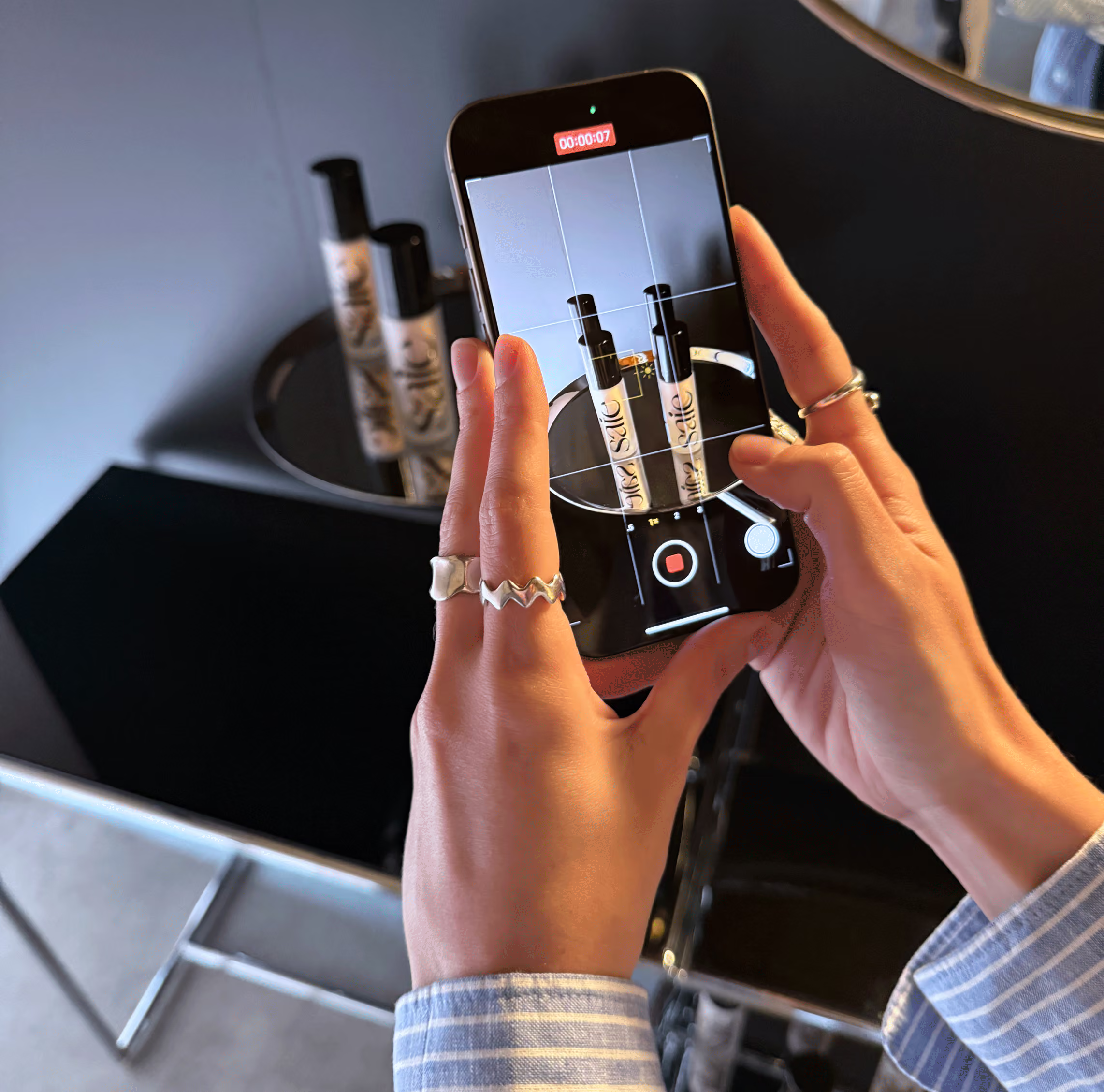
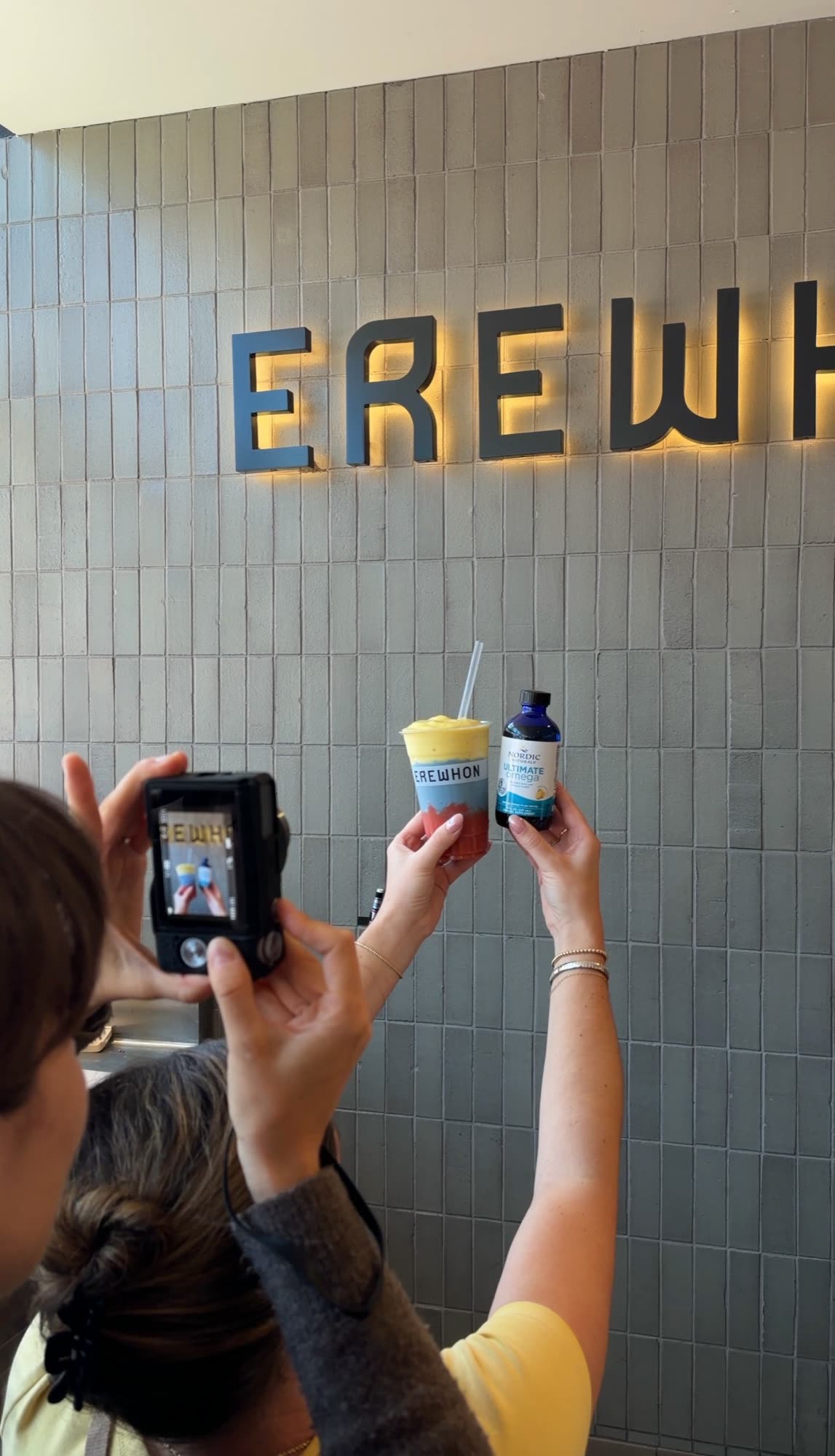
A reaction-video UGC brief tells a creator what moment to react to, what your product does in that reaction, and what they may not show. For a cultural moment like the GTA 6 launch, the creator is reacting to the conversation around the game (the wait, the late nights, the group chat) rather than to footage of the game itself. Our view is that a one-page brief with these items is enough for a creator to start the same day:
- The moment and the angle: one sentence on what the creator is reacting to, in their own words.
- The product's role: where it appears and the single benefit the creator mentions.
- The hook: the opening line or situation that stops the scroll.
- Talking points the creator believes: claims they can make from their own use of the product.
- The disclosure line: spoken and on screen, if the creator posts it on their own channel.
- Specs: 9:16, captions inside the platform safe zone, length per platform.
- The no-list: no game footage, logos, HUD, minimap, “Wasted” screens, Pricedown-style type or trailer recreations.
- Usage and dates: where the brand will run it, for how long, and the delivery deadline.
How long does UGC production take, and why does the Dream Aspect UGC page show two timelines?
Dream Aspect's UGC page publishes two different timelines, as of 16 November 2026. Its services section says “Done for you UGC content production services delivered as short as 7 days.” Its FAQ says “The production timeline is 14 to 30 days”. Both are on the same UGC page. Our reading is that 7 days is the fastest case and 14 to 30 days the usual range, but the page does not say so, so do not plan a cultural-moment campaign on either number alone. Ask for a committed delivery date in writing, and check it against the date you need the videos live.
The Dream Aspect UGC page lists six steps, and each one is where time goes:
- Discovery: agree campaign goals, audience and style.
- Research: research and set the project scope.
- Design: distribute the task among models and creators who can take the job.
- Create: negotiate licensing rights and terms.
- Draft: receive and edit drafts until the final version is ready.
- Delivery: send ready-to-post videos.
On a deadline, the steps you control are Discovery and Draft. Arrive with the brief above already written, name one approver, and agree in advance how many revision rounds you get. Casting and licensing depend on which creators are free, which is why a written date matters more than a headline turnaround. The same UGC page says usage rights are typically granted for 6 months, with options to extend, so a launch batch can keep running after the moment passes.
What can a brand make for the GTA 6 launch week if UGC takes a week or more?
For the GTA 6 launch week itself, a brand starting on 16 November 2026 has three realistic routes with Dream Aspect, and only one is close to launch day. Dream Aspect's CGI page says a simple 2D piece of 7–12 seconds takes about 2–5 days. Dream Aspect's video marketing page says live action is delivered 7–10 days after the shoot day. Dream Aspect UGC starts at 7 days on its UGC page and can run to 30. Our view is to split the job: a short 2D or recut of footage you already own for launch week, and a UGC batch for the weeks after.
The case for the weeks after is our reading, not a measured fact: a game launch is not a one-day event for players, and reaction content about life during the first weeks of play (lost sleep, cancelled plans, the friend who vanished) does not depend on being first. What it does depend on is being honest, fast enough to feel current, and free of anything Rockstar owns.
Do paid UGC creators have to disclose under FTC rules?
Paid UGC creators who post on their own channels generally must disclose the brand relationship. The FTC Endorsement Guides, 16 CFR Part 255 treat payment and free products as material connections that must be disclosed clearly and conspicuously, meaning difficult to miss and easily understandable, in both sound and picture when the claim is made in both. On TikTok, the Branded Content Policy also requires the commercial content disclosure toggle on branded posts. This is our reading as of 16 November 2026, not legal advice; ask counsel about your campaign.
When the brand runs creator videos as its own ads, a different part of the FTC Endorsement Guides matters. Section 255.1(c) says that when an ad represents that the endorser uses the product, “the endorser must have been a bona fide user of it at the time the endorsement was given.” Section 255.2(c) says ads presented as actual consumers “should utilize actual consumers in both the audio and video, or clearly and conspicuously disclose that the persons in such advertisements are not actual consumers of the advertised product.” In practice: send creators the product early and script nothing they have not experienced.
What video specs do TikTok, Instagram Reels and YouTube Shorts need?
TikTok, Instagram Reels and YouTube Shorts all take vertical 9:16 video, so one master can serve all three, as of 16 November 2026. The platform figures that matter for a UGC batch:

- TikTok In-Feed ads: 9:16 recommended at 540*960px or more, up to 10 minutes, 500 MB or less, per TikTok Ads Manager.
- Instagram Reels ads: 9:16 at 1440 x 2560 pixels recommended, 0 seconds to 15 minutes, 4GB maximum, per the Meta Ads Guide.
- YouTube Shorts: up to 3 minutes and uploads up to 1080p, per YouTube Help; Google recommends 1080 x 1920px for vertical video ads, per Google Ads Help.
Text placement is where reaction videos fail. The Meta Ads Guide says to “Consider leaving at least 14% of the top, 35% of the bottom, and 6% on each side of your asset free from text, logos, or other important creative elements.” Our view: ask creators to keep captions and the product inside that zone on every platform, because TikTok's ad specs also set a safe zone that changes with caption length, and one layout that clears Meta's margins is simpler to check.
What must brand UGC about GTA 6 leave out?
Brand UGC about GTA 6 should refer to the game in plain words and show nothing Rockstar owns. Dream Aspect is not affiliated with, endorsed by or sponsored by Rockstar Games or Take-Two Interactive, and neither is your brand, so nothing in the video should suggest otherwise. Our guardrails for every creator:
- No game footage, trailer frames, screenshots or screen recordings.
- No logos, cover art, HUD, minimap, wanted stars or “Wasted” screens.
- No Pricedown font or look-alike title type.
- No shot-for-shot trailer recreations and no AI-generated “GTA 6” footage.
- No licensed music in paid Reels ads, which Meta lists among things Reels ads should not contain.
The enforcement risk is real and fast. Notebookcheck reported in July 2026 that AI-generated GTA 6 videos had suffered a rash of DMCA strikes from Take-Two. A takedown during launch week would remove your video while the moment is live. Keep a version of every video with no reference to the game at all, so the campaign survives a claim. This is our reading, not legal advice; take anything close to the line to IP counsel.
Want a batch of reaction-style UGC ready for the weeks after the GTA 6 launch? The Dream Aspect pricing calculator shows the price on the page: choose a one-off shoot or a monthly plan, then add or remove deliverables such as a shoot brief, priority delivery, CGI or UGC.
Build your quote on the pricing page →
Prefer to talk it through? Talk to us → or book a 15-minute call from the pricing page.
Key takeaways
- GTA 6 launches on 19 November 2026, so UGC ordered on 16 November is for the weeks after launch day, not launch day.
- Dream Aspect UGC starts at $350 per video with a 5-video minimum ($1,750) and usage rights typically granted for 6 months.
- The UGC page gives two timelines, as short as 7 days and 14 to 30 days: get a committed delivery date in writing.
- Paid creators must disclose under 16 CFR Part 255, and brand ads need creators who genuinely used the product.
- Deliver one 9:16 master, keep text out of the top 14% and bottom 35%, and show no game footage, logos or HUD.
Frequently asked questions
Can I get UGC videos live on GTA 6 launch day?
Not if you start on 16 November 2026. GTA 6 launches on 19 November, and the fastest UGC turnaround on Dream Aspect's UGC page is as short as 7 days, with 14 to 30 days given in its FAQ. For launch week itself, a short 2D piece or a recut of footage you own is more realistic. Plan the UGC batch for the weeks after.
How much does a batch of UGC reaction videos cost?
Dream Aspect's UGC page lists pricing from $350 per video with a minimum order of 5 videos per batch, so the smallest batch is $1,750, as of 16 November 2026. The page says cost depends on the number of videos, creator type, scripting complexity and turnaround time. Usage rights are typically granted for 6 months, with options to extend.
Can UGC creators react to GTA 6 gameplay footage in a brand video?
Not in a brand video. Gameplay, trailer frames, logos and HUD belong to Rockstar, and Take-Two has a record of DMCA strikes, including against AI-generated GTA 6 videos reported by Notebookcheck. Have creators react to the moment, such as the wait or the late nights, on camera in their own setting. This is our reading, not legal advice.
Do I need to tell viewers that UGC creators were paid?
Yes, when the creator posts on their own channel. The FTC Endorsement Guides treat payment and free products as material connections that must be disclosed clearly and conspicuously. TikTok also requires its commercial content disclosure toggle on branded posts. When the brand runs the video as its own ad, the creator must be a genuine user of the product. Check details with counsel.
What aspect ratio should UGC reaction videos be?
Vertical 9:16. TikTok recommends 9:16 for In-Feed ads, Meta lists 9:16 for Instagram Reels ads, and YouTube Shorts are vertical videos up to 3 minutes. Ask for one 9:16 master with captions inside Meta's safe zone, which leaves 14% at the top, 35% at the bottom and 6% at each side clear, as of 16 November 2026.
Why does Dream Aspect's UGC page give two different timelines?
The page says delivery can be as short as 7 days in one place and gives a production timeline of 14 to 30 days in its FAQ, and it does not explain the difference. Our reading is that one is a fastest case and the other the usual range. Ask for a committed delivery date in writing before you order, and check it against your own live date.
Sources
Rockstar Games
- Grand Theft Auto VI — launch on November 19, 2026 for PlayStation 5 and Xbox Series X|S
Electronic Code of Federal Regulations (eCFR)
- 16 CFR Part 255 — Guides Concerning Use of Endorsements and Testimonials in Advertising — material connections, clear and conspicuous disclosure, bona fide users, actual consumers
TikTok
- TikTok Auction In-Feed Ads — 9:16 recommended, 540*960px minimum, up to 10 minutes, 500 MB
- Branded Content Policy — commercial content disclosure toggle on branded posts
Meta
- Awareness Video Ad Specs on Instagram Reels — 9:16, 1440 x 2560, 0 seconds to 15 minutes, 4GB, safe zone 14% top / 35% bottom / 6% sides, no licensed music
YouTube and Google
- Get started creating YouTube Shorts — Shorts up to 3 minutes, uploads up to 1080p
- About video ad specs — 1080 x 1920px recommended for vertical video
Notebookcheck
- GTA 6 trailer #3 release anticipated as Take-Two targets fake AI-generated leaks — DMCA strikes against AI-generated GTA 6 videos, July 2026
Dream Aspect
- UGC Video Production — $350 per video, 5-video minimum, two published timelines (7 days; 14 to 30 days), six-step process, 6-month usage rights
- CGI Production — simple 2D of 7–12 seconds in about 2–5 days
- Video Marketing — live action delivered 7–10 days after the shoot day