


How can a brand sponsor gaming creators during the GTA 6 launch, and what must the videos disclose?
Pay creators to carry your own brand message, and make every paid video say so out loud and on screen. Grand Theft Auto VI launches on 19 November 2026, per Rockstar Games. The disclosure rule is the FTC Endorsement Guides, 16 CFR Part 255, plus each platform's paid-partnership switch. This is our reading as of 16 November 2026, not legal advice.
- Launch: 19 November 2026, PS5 and Xbox Series X|S (Rockstar Games).
- The rule: 16 CFR Part 255, in its current form published on July 26, 2023, requires unexpected material connections to be disclosed clearly and conspicuously.
- Fake reviews: 16 CFR Part 465, published on Aug. 22, 2024, bans fake testimonials, sentiment-conditioned reviews and bought views or followers.
- Platform tools: YouTube paid promotion, TikTok commercial content disclosure and the Twitch Branded Content tool, used on top of a spoken and on-screen disclosure.
- Your own assets: Dream Aspect UGC from $350 per video, with a 5-video minimum ($1,750).
What counts as a sponsored gaming video under the FTC Endorsement Guides?
The FTC Endorsement Guides define an endorsement as any advertising message that viewers are likely to believe reflects the opinions or experience of someone other than the sponsoring advertiser, and a creator does not have to say “buy this” for it to count. The Guides use a gaming example: a paid streamer who plays a new game and appears to enjoy it is endorsing it, because “the game play is considered an endorsement because the apparent enjoyment is implicitly a recommendation.” For a brand around the GTA 6 launch, the same logic covers an energy drink on the desk, a headset the creator praises, or a snack segment between missions.
Section 255.5 of the FTC Endorsement Guides lists what counts as a material connection: payment, free or discounted products, a business or family relationship, and benefits such as early access to a product or the chance to win a prize. Launch-week perks such as a gifted console, an early game code or an event invitation fall in that list. The test is whether a significant minority of the audience would not expect the connection. If they would not, the creator must disclose it, even when you never required a post in return.
How must a sponsored GTA 6 video disclose the deal?
A sponsored GTA 6 video must disclose the deal where viewers cannot miss it. Section 255.0(f) of the FTC Endorsement Guides says “clear and conspicuous” means difficult to miss and easily understandable, and that a claim made in both pictures and sound should be disclosed in both. In social media the disclosure should be unavoidable. In practice, our checklist for each sponsored GTA 6 video is:
- Spoken: the creator says the brand paid for the segment when the brand first appears.
- On screen: plain text naming the paid partnership and the brand while the brand is on screen.
- Description: the same words in the first line, visible without a tap.
- Platform tool: the YouTube, TikTok or Twitch paid-content switch turned on.
The Guides give two failures that matter for creators. In one FTC example, an influencer who discloses only on the profile page of their accounts has not disclosed clearly and conspicuously. In another, an influencer relies solely on a platform's built-in disclosure tool, which shows small white text on a light image for only 5 seconds, and that is easy to miss. Our view: on a long launch-night stream, the creator should restate the sponsorship each time the brand segment returns, because viewers join part-way through.
What do YouTube, TikTok and Twitch require for paid partnerships?
YouTube, TikTok and Twitch each require creators to flag paid content with their own tool, as of 16 November 2026. YouTube Help says creators who feature branded content, sponsorships or endorsements must select the paid promotion button in the video details, and that “Selecting the paid promotion button adds a disclosure label that appears at the beginning of your video.” YouTube adds that creators and their partners remain responsible for the law, and that its help article is not legal advice.
TikTok's Branded Content Policy says “When posting branded content, you must enable the commercial content disclosure toggle”, which labels the post as branded content and may add it to TikTok's Commercial content library. TikTok's help page on the setting says a post without the proper disclosure may be removed or restricted, and that tagging a brand partner carries an authorization period of 60 days by default. Twitch's Creator Camp guide to sponsorships says creators who publish sponsored or promoted content must use Twitch’s Branded Content tool to disclose it to viewers, and should disclose gifted items even when no payment came with them.
None of the three tools replaces the spoken and on-screen disclosure the FTC expects. In our view the platform label is a backstop: YouTube's appears at the beginning of the video, and no platform label travels with a clip that someone re-posts elsewhere. Brief both: the switch on, and the creator saying the segment is paid.
Who is liable if a sponsored creator gets the disclosure wrong?
The brand can be liable even when the creator is not. Section 255.1(d) of the FTC Endorsement Guides says: “An advertiser may be liable for a deceptive endorsement even when the endorser is not liable.” Endorsers can also be liable for their own missing disclosures, and Section 255.1(f) extends liability to advertising agencies, PR firms and similar intermediaries that know or should know an endorsement is deceptive. The Guides tell advertisers to do three things:
- Guide: tell endorsers their statements must not mislead and must disclose unexpected material connections.
- Monitor: check that endorsers comply.
- Remedy: act to fix non-compliance and prevent it happening again.
For a GTA 6 launch campaign, the practical answer is paperwork the brand can show: disclosure wording in the creator contract, a look at the first cut or stream plan before it goes live, checks on the posts after launch, and a record of every correction you asked for. Good-faith guidance and monitoring is not a safe harbor under the Guides, but it reduces the odds of an enforcement action. Ask counsel to review the contract template before you send it.
Does the 2024 FTC fake reviews rule apply to creator campaigns?
Parts of it can. The Rule on the Use of Consumer Reviews and Testimonials, 16 CFR Part 465, published on Aug. 22, 2024, covers testimonials as well as reviews, and three of its sections touch creator campaigns:
- Section 465.2: no fake testimonials that misrepresent whether the person exists, used the product, or had the experience described.
- Section 465.4: no payment for reviews that must express a particular sentiment, positive or negative.
- Section 465.8: no buying or selling fake indicators of social media influence, such as bot-generated followers, views, likes or comments.
Our reading for a launch campaign: do not script a creator to claim long use of a product they received yesterday, do not tie payment to a positive verdict, and do not buy views to make a sponsored video look bigger during launch week. Each of those is the kind of conduct Part 465 names. Whether Part 465 or Part 255 applies to a given post is a legal question, so take the specific campaign to counsel.
How is creator sponsorship different from in-game advertising in GTA 6?
In-game advertising puts a real brand inside the game world; creator sponsorship pays a person to talk about your brand around the game. For GTA 6 the first route appears closed. GTA Zone reported that Take-Two chief executive Strauss Zelnick ruled out brand partnerships in GTA VI on April 28, 2026, saying the game's brands are made up. That is one fan site's report, so check it against Take-Two's own statements.
Creator sponsorship is therefore the realistic route for a brand that wants to be near the launch, and it comes with an intellectual-property line. A creator streaming their own gameplay works under the publisher's policies; your brand's segment, overlay and any ad you cut from it should use no game footage, logos, HUD, minimap or “Wasted” screens, and should never imply that Rockstar backs your product. Name the game in plain text only. Dream Aspect is not affiliated with, endorsed by or sponsored by Rockstar Games or Take-Two Interactive. This is our reading, not legal advice.
Should a brand produce its own videos alongside creator sponsorships?
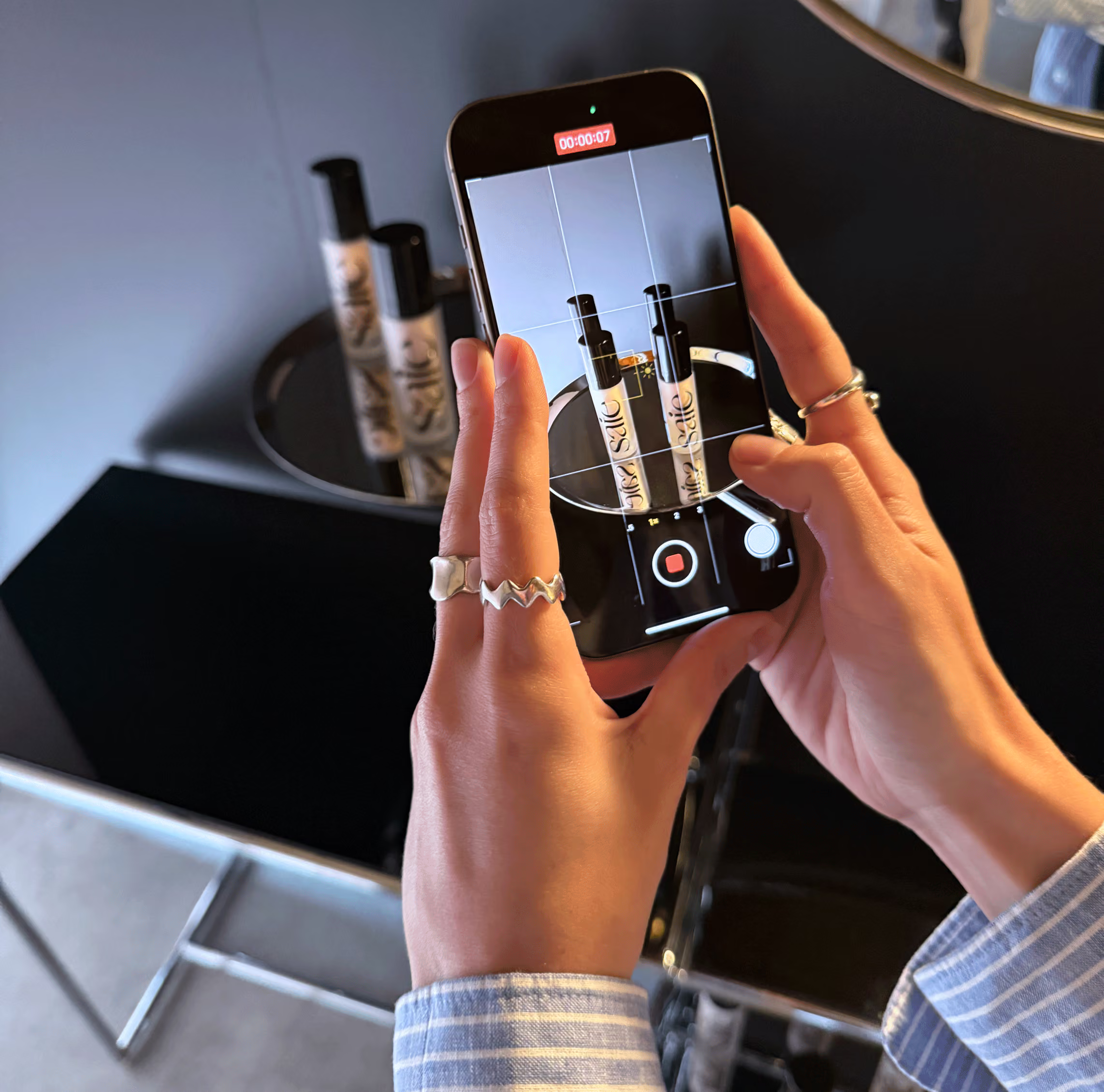
Yes, in our view, because a sponsored stream lives on the creator's channel. A brand that also wants paid ads and posts on its own accounts needs footage it controls, with no game material in it. Dream Aspect's UGC page lists creator videos from $350 per video with a 5-video minimum, or $1,750 for the smallest batch, and says usage rights are typically granted for 6 months with options to extend, as of 16 November 2026.
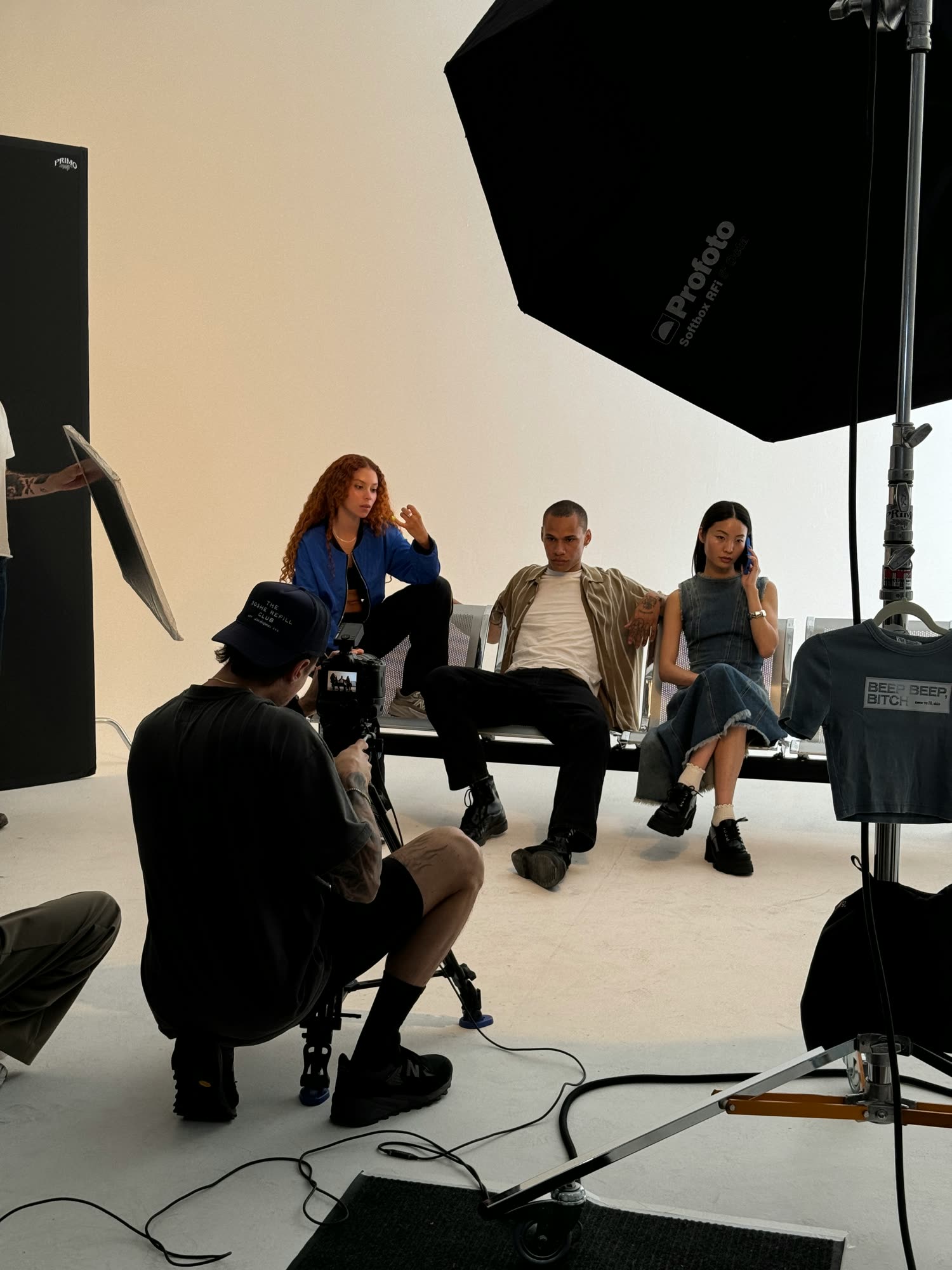
Timing is the catch. The same Dream Aspect UGC page says videos can be delivered in as short as 7 days and, in its FAQ, that the production timeline is 14 to 30 days, so ask for a committed delivery date in writing before you book. For a polished live-action spot, Dream Aspect's video marketing page quotes delivery 7–10 days after the shoot day, and Dream Aspect's homepage lists packages from $4,100 for a one-off shoot, or $3,075 a month on a monthly plan, as of 16 November 2026. Either way, your own assets arrive after the 19 November launch, so plan them for the weeks that follow.
What should a GTA 6 creator sponsorship contract cover?
A GTA 6 creator sponsorship contract should turn the FTC Guides and platform rules into duties the creator signs. Ask counsel to adapt this list to your campaign:
- Disclosure: the exact spoken line, the on-screen text, where it appears, and how often it repeats on a stream.
- Platform switch: YouTube paid promotion, TikTok commercial content disclosure or the Twitch Branded Content tool turned on for every sponsored post.
- Honest opinion: no payment tied to a positive verdict, and no claims of use the creator cannot back up.
- No bought engagement: no purchased views, likes or followers on sponsored content.
- IP limits: no game logos, trailer frames or HUD in brand-supplied overlays or ads, and no implied Rockstar endorsement.
- Review and fixes: a pre-publish check, and a deadline for correcting a missing disclosure.
- Usage rights: whether the brand may re-use the creator's segment in its own ads, and for how long.
Planning creator sponsorships around the GTA 6 launch and want brand-owned videos to run beside them? The Dream Aspect pricing calculator shows the price on the page: choose a one-off shoot or a monthly plan, then add or remove deliverables such as a shoot brief, priority delivery, CGI or UGC.
Build your quote on the pricing page →
Prefer to talk it through? Talk to us → or book a 15-minute call from the pricing page.
Key takeaways
- GTA 6 launches on 19 November 2026 on PS5 and Xbox Series X|S, and every paid creator video around it needs a spoken and on-screen disclosure.
- The FTC Endorsement Guides (16 CFR Part 255) treat paid gameplay as an endorsement and make the brand liable even when the creator is not.
- 16 CFR Part 465, published on Aug. 22, 2024, bars fake testimonials, sentiment-conditioned payment and bought views or followers.
- YouTube, TikTok and Twitch each require their own paid-partnership tool; TikTok brand tags default to a 60-day authorization.
- Dream Aspect UGC starts at $350 per video with a 5-video minimum ($1,750); get a committed delivery date in writing.
Frequently asked questions
Does a gaming creator have to disclose a free copy of GTA 6 or a gifted console?
Usually yes. The FTC Endorsement Guides list free or discounted products and early access as material connections, and a material connection must be disclosed when a significant minority of viewers would not expect it. That applies even if the brand never required a post. Twitch's Creator Camp also tells creators to disclose gifted items when no payment came with them. Ask counsel about your specific arrangement.
Is the YouTube paid promotion label enough on its own?
Probably not. YouTube's label appears at the start of the video, but the FTC Guides give an example in which relying solely on a platform's built-in disclosure tool, shown in small text for a few seconds, is easy to miss and not clear and conspicuous. Use the label, and also have the creator say the segment is paid and show it as on-screen text.
Can my brand appear inside GTA 6 as an in-game ad?
Not as far as public reporting shows. GTA Zone reported that Take-Two's chief executive ruled out brand partnerships in GTA VI in April 2026, saying the game's brands are made up. That makes creator sponsorship and brand-owned content the practical routes for a non-endemic brand near the launch. Treat the report as one site's account and check Take-Two's own statements.
Who gets in trouble if a sponsored creator forgets to disclose?
Both sides can. The FTC Endorsement Guides say an advertiser may be liable for a deceptive endorsement even when the endorser is not, and endorsers can be liable for their own missing disclosures. Agencies and other intermediaries can be liable too. The Guides expect brands to give disclosure guidance, monitor posts and fix problems, which is why the contract and a pre-publish check matter.
Can we pay creators only if they give the brand a positive review?
No, that is the risk to avoid. The FTC rule on consumer reviews and testimonials, 16 CFR Part 465, bars giving compensation conditioned on a review expressing a particular sentiment, positive or negative. The Endorsement Guides also require endorsements to reflect the creator's honest opinion. Pay for the content and the disclosure, not for the verdict, and have counsel check the contract wording.
Can brand ads re-use clips from a creator's GTA 6 stream?
Only with care. A sponsored stream contains the creator's gameplay of Rockstar's game, and a brand ad that re-uses it puts game footage, logos or HUD into your own advertising. Our view is that brand ads should use footage the brand controls, with no game material, plus the creator's segment only if the contract grants those rights. Get IP counsel to clear any re-use.
Sources
Electronic Code of Federal Regulations (eCFR)
- 16 CFR Part 255 — Guides Concerning Use of Endorsements and Testimonials in Advertising — definition of endorsement, the paid game-streamer example, clear and conspicuous disclosure, material connections, advertiser and intermediary liability
- 16 CFR Part 465 — Rule on the Use of Consumer Reviews and Testimonials — fake testimonials, sentiment-conditioned reviews, fake indicators of social media influence; published Aug. 22, 2024
YouTube
- Add branded content restrictions & disclosure labels — paid promotion button and the disclosure label at the start of the video
TikTok
- Branded Content Policy — commercial content disclosure toggle and the Commercial content library
- How to turn on the Commercial Content Disclosure setting in TikTok — removal or restriction without disclosure; 60-day default brand authorization
Twitch
- Sponsorships | Twitch Creator Camp — Branded Content tool required; disclose gifted items
Rockstar Games
- Grand Theft Auto VI — launch on November 19, 2026 for PlayStation 5 and Xbox Series X|S
GTA Zone
- Will GTA 6 Have In-Game Ads? Take-Two Answers — report that Take-Two's CEO ruled out brand partnerships in GTA VI on April 28, 2026
Dream Aspect
- UGC Video Production — $350 per video, 5-video minimum, 6-month usage rights, two published timelines
- Video Marketing — live action delivered 7–10 days after the shoot day
- Dream Aspect homepage — packages from $4,100 for a one-off shoot, or $3,075 a month on a monthly plan (as of 16 November 2026)